

Fire Alarm Systems Guide: Ensuring Safety with Fire Alarms

Fire alarms are your first line of defense against fire hazards. They alert you early, giving you and everyone in the building precious time to act. Whether you manage a commercial, industrial, educational, healthcare, or government property, understanding fire alarm systems is essential. This guide will walk you through the key aspects of fire alarms, helping you ensure safety and compliance with the latest standards.
Understanding Fire Alarm Systems Guide
Fire alarm systems are more than just loud sirens. They are complex networks designed to detect smoke, heat, or flames and notify occupants and emergency responders. These systems vary in size and complexity depending on the building type and use.
A typical fire alarm system includes:
Detectors: Smoke, heat, or flame sensors that identify fire signs.
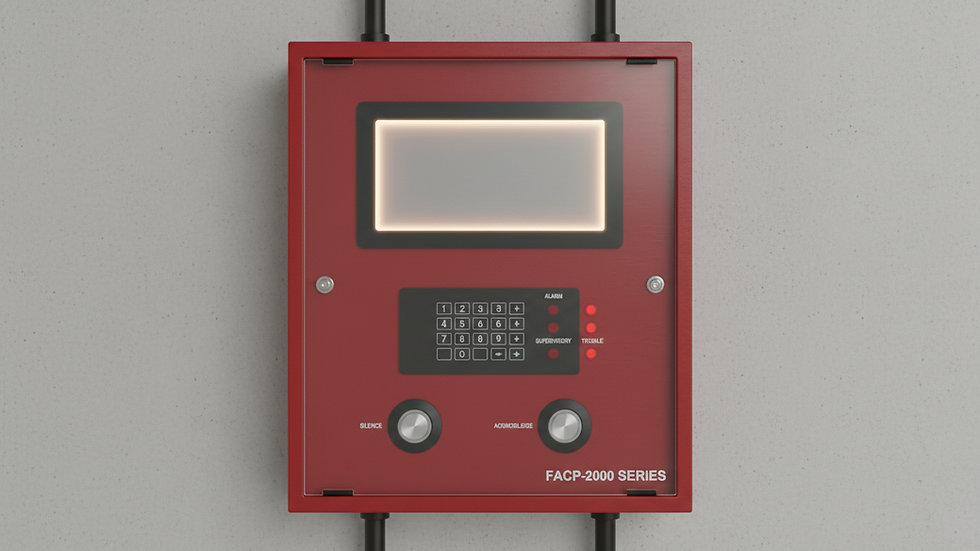
Control Panel: The brain of the system that processes signals from detectors.
Notification Devices: Sirens, strobes, or speakers that alert occupants.
Manual Pull Stations: Allow people to trigger the alarm manually.
Communication Links: Connect the system to fire departments or monitoring services.
For example, in a healthcare facility, smoke detectors must be sensitive enough to detect fires early but avoid false alarms that could disrupt patient care. In industrial settings, heat detectors might be preferred due to dust or fumes that could trigger smoke detectors unnecessarily.
Choosing the Right Fire Alarm System for Your Property
Selecting the right fire alarm system depends on your building’s size, layout, occupancy, and specific risks. Here are some practical steps to guide your choice:
Assess Your Building’s Needs
Identify areas with higher fire risks, such as kitchens, electrical rooms, or storage areas with flammable materials. Consider the number of occupants and the building’s layout.
Understand Local Codes and Standards
Fire alarm systems must comply with local fire codes and the National Fire Protection Association (NFPA) standards. These rules ensure your system meets minimum safety requirements.
Decide on System Type
Conventional Systems: Suitable for smaller buildings, these divide the building into zones.
Addressable Systems: Ideal for larger or complex buildings, these provide precise location information for each detector.
Plan for Integration
Your fire alarm system should integrate with other safety systems like sprinklers, emergency lighting, and building management systems.
Consider Maintenance and Monitoring
Choose systems that are easy to maintain and can be monitored remotely for faster response.
For instance, a government building with multiple floors and offices will benefit from an addressable system that quickly pinpoints the fire location, speeding up evacuation and firefighting efforts.
Installation and Maintenance Best Practices
Proper installation and regular maintenance are critical to keep your fire alarm system reliable. Here’s what you need to know:
Professional Installation
Always hire certified technicians to install your system. They will ensure detectors are placed correctly, wiring is secure, and the system is fully operational.
Regular Testing
Test your fire alarms monthly to confirm they work. This includes checking detectors, control panels, and notification devices.
Scheduled Maintenance
Have a professional inspect and service your system at least once a year. They will clean detectors, replace batteries, and update software if needed.
Keep Records
Maintain detailed logs of all tests, inspections, and repairs. This documentation is essential for compliance and insurance purposes.
Train Occupants
Conduct fire drills and educate occupants on how to respond when the alarm sounds.
Neglecting maintenance can lead to false alarms or system failure during an emergency. For example, dust accumulation on smoke detectors can prevent them from sensing smoke properly.

The Role of Technology in Modern Fire Alarm Systems
Technology has transformed fire alarm systems, making them smarter and more efficient. Here are some advancements to consider:
Wireless Systems
These reduce the need for extensive wiring and are easier to install in existing buildings.
Smart Detectors
Equipped with multiple sensors, these devices can distinguish between real fires and false alarms caused by steam or cooking smoke.
Remote Monitoring
Systems connected to monitoring centers or mobile apps allow you to receive alerts instantly, even when you are off-site.
Integration with Building Automation
Fire alarms can trigger ventilation shutdowns, unlock emergency exits, and activate sprinklers automatically.
Voice Evacuation Systems
Instead of just sirens, these systems provide clear spoken instructions to guide occupants safely.
By embracing these technologies, you enhance safety and reduce downtime caused by false alarms. For example, a school using smart detectors can avoid unnecessary evacuations during lunch when smoke from the kitchen might otherwise trigger alarms.
Partnering with Trusted Fire Alarm Providers
Choosing the right partner for your fire alarm needs is as important as the system itself. Look for providers who offer:
Expertise in Local Regulations
They should understand the specific fire codes and standards in your area.
Customized Solutions
Your provider should tailor the system to your building’s unique requirements.
Reliable Support and Service
Quick response times for maintenance and emergencies are crucial.
Comprehensive Training
They should offer training for your staff on system use and emergency procedures.
For properties in Myrtle Beach, working with coastal fire alarm north myrtle beach ensures you get local expertise combined with personalized service. Their team understands the regional challenges and compliance requirements, helping you maintain a safe environment.
Staying Prepared Beyond the Alarm
A fire alarm system is a vital tool, but safety depends on more than just technology. Here are additional steps to enhance your fire safety plan:
Develop an Evacuation Plan
Clearly mark exits and ensure all occupants know the routes.
Install Fire Extinguishers
Place them in accessible locations and train staff on their use.
Control Fire Hazards
Regularly inspect electrical systems, store flammable materials safely, and enforce no-smoking policies.
Coordinate with Local Fire Departments
Share your fire alarm system details and emergency plans with responders.
Review and Update Plans Regularly
Fire risks and building use can change, so keep your safety measures current.
By combining a reliable fire alarm system with comprehensive safety practices, you create a safer environment for everyone in your building.
Ensuring safety with fire alarms is a continuous process. By understanding your system, maintaining it properly, and integrating it with broader safety measures, you protect lives and property effectively. Stay proactive, stay informed, and make fire safety a priority every day.
Comments