

Mastering Fire Alarm Installation in Coastal Areas: Fire Alarm Installation Tips
- Coastal Fire and Security LLC
- Mar 30
- 4 min read

Installing fire alarms in coastal areas requires special attention. The salty air, humidity, and weather conditions can affect the performance and longevity of your fire alarm system. You need to ensure your system is reliable, compliant, and tailored to the unique challenges of coastal environments. This guide will walk you through essential fire alarm installation tips to help you protect your property effectively.
Understanding the Challenges of Coastal Fire Alarm Installation
Coastal areas present unique challenges for fire alarm systems. Salt in the air can corrode metal parts and damage sensitive electronics. High humidity can cause false alarms or system malfunctions. Additionally, coastal storms and strong winds may impact wiring and external components.
To address these issues, you must:
Choose corrosion-resistant materials.
Use weatherproof enclosures for outdoor devices.
Ensure proper sealing to prevent moisture ingress.
Regularly inspect and maintain the system.
By understanding these challenges, you can select and install a fire alarm system that stands up to coastal conditions and keeps your property safe.
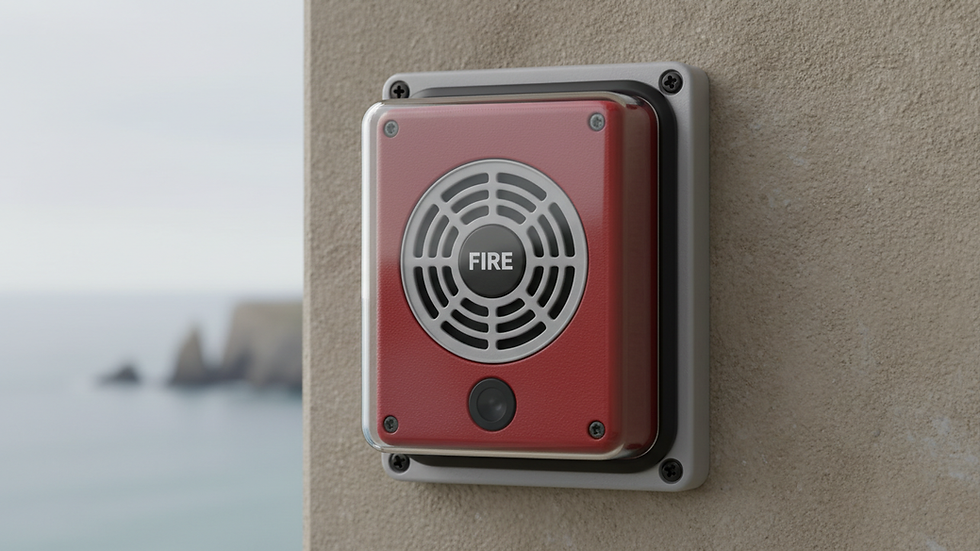
Fire Alarm Installation Tips for Coastal Properties
When installing fire alarms in coastal properties, follow these practical tips to ensure optimal performance:
Select Coastal-Rated Equipment
Use fire alarms and components specifically rated for coastal environments. These devices are designed to resist corrosion and moisture damage.
Position Devices Strategically
Avoid placing alarms directly where they will be exposed to salt spray or heavy rain. Use sheltered locations or protective covers.
Use Marine-Grade Wiring and Connectors
Wiring should be resistant to corrosion and moisture. Marine-grade cables and connectors help maintain system integrity.
Seal All Openings
Properly seal junction boxes, conduit entries, and device mounts to prevent water and salt intrusion.
Implement Regular Maintenance Schedules
Coastal environments accelerate wear and tear. Schedule frequent inspections and cleanings to catch issues early.
Test Alarm Sensitivity Settings
High humidity can cause false alarms. Adjust sensitivity to balance safety and reliability.
Consult Local Codes and Standards
Ensure your installation complies with local fire safety regulations and building codes.
By following these tips, you can reduce the risk of system failure and false alarms, ensuring your fire alarm system works when you need it most.
Selecting the Right Fire Alarm System for Coastal Areas
Choosing the right fire alarm system is critical. Consider the following factors:
Type of Detection: Smoke detectors, heat detectors, or multi-sensor devices. Heat detectors may be preferable in humid environments to reduce false alarms.
Power Source: Hardwired systems with battery backup are more reliable than battery-only units.
Communication: Systems with remote monitoring can alert you to issues quickly.
Durability: Look for devices with corrosion-resistant coatings and sealed electronics.
For example, in a healthcare facility near the coast, a combination of heat and smoke detectors with remote monitoring ensures quick response and minimal false alarms. In industrial settings, rugged devices with marine-grade wiring provide long-term reliability.

Installation Best Practices for Different Property Types
Different property types have unique needs. Here are tailored recommendations:
Commercial Buildings: Focus on high-traffic areas and electrical rooms. Use addressable systems for precise location identification.
Industrial Facilities: Prioritize hazardous zones and machinery areas. Use explosion-proof devices if necessary.
Educational Institutions: Cover classrooms, hallways, and assembly areas. Ensure alarms are audible and visible.
Healthcare Facilities: Use multi-sensor detectors to reduce false alarms. Ensure systems integrate with emergency protocols.
Government Buildings: Follow strict compliance standards. Use centralized monitoring and regular drills.
Each property type benefits from a customized approach that considers layout, occupancy, and specific fire risks.
Maintaining Your Fire Alarm System in Coastal Environments
Maintenance is key to long-term reliability. Here’s how to keep your system in top shape:
Regular Inspections: Check devices for corrosion, dirt, and damage every 3-6 months.
Clean Devices: Remove dust and salt deposits using manufacturer-recommended methods.
Test Functionality: Conduct monthly tests of alarms and control panels.
Replace Batteries: Change backup batteries annually or as needed.
Update Software: Keep control panel firmware up to date.
Document Maintenance: Keep detailed records for compliance and troubleshooting.
Partnering with a trusted local provider ensures you get expert support tailored to coastal conditions. For example, coastal fire alarm north myrtle beach offers specialized services designed for the area’s unique environment.
Enhancing Safety with Technology and Training
Technology alone is not enough. Train your staff and occupants on fire alarm operation and emergency procedures. Use clear signage and conduct regular drills. Consider integrating your fire alarm system with other safety technologies like sprinkler systems and emergency lighting.
Smart fire alarm systems can send alerts to your phone or monitoring center, providing peace of mind even when you are off-site. Combining technology with education creates a safer environment for everyone.
Preparing for Coastal Weather Events
Coastal storms can disrupt fire alarm systems. Prepare by:
Securing outdoor devices and wiring.
Installing surge protectors to prevent electrical damage.
Having backup power sources like generators.
Creating an emergency response plan that includes fire alarm system checks after storms.
Being proactive helps maintain system readiness during and after severe weather.
Final Thoughts on Fire Alarm Installation in Coastal Areas
Mastering fire alarm installation in coastal areas means understanding the environment, choosing the right equipment, and following best practices. Regular maintenance and training further enhance safety. By taking these steps, you protect your property and the people inside it.
Invest in quality, stay compliant, and work with experts who know the challenges of coastal fire alarm installation. Your commitment to safety will pay off in reliable protection and peace of mind.
Comments