

Comprehensive Fire Alarm Setup Guide: Your Step-by-Step Manual
- Coastal Fire and Security LLC
- Mar 30
- 4 min read

Installing a fire alarm system is one of the most important safety measures you can take for your property. Whether you manage a commercial building or want to protect your home, a properly installed fire alarm system can save lives and minimize property damage. This guide will walk you through everything you need to know about fire alarm installation, from planning to maintenance, in clear, practical terms.
Understanding Fire Alarm Setup Guide Basics
Before you start installing a fire alarm system, it’s crucial to understand the basics. Fire alarms detect smoke, heat, or flames and alert occupants to evacuate. There are different types of fire alarms, including:
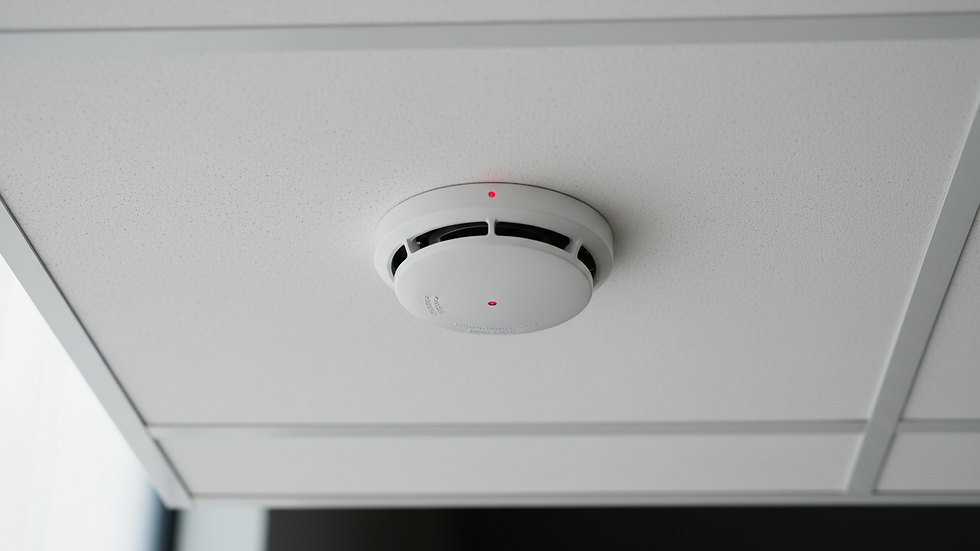
Smoke detectors: Detect smoke particles in the air.
Heat detectors: Trigger when a certain temperature is reached.
Manual pull stations: Allow people to manually activate the alarm.
Combination systems: Integrate smoke, heat, and manual alarms.
Each type serves a specific purpose, and your choice depends on the building layout, occupancy, and local fire codes.
Key Components of a Fire Alarm System
A typical fire alarm system includes:
Control panel: The brain of the system that monitors inputs and triggers alarms.
Notification devices: Sirens, horns, and strobe lights that alert occupants.
Initiating devices: Smoke detectors, heat detectors, and manual pull stations.
Power supply: Usually a combination of primary power and backup batteries.
Understanding these components helps you plan the installation effectively.
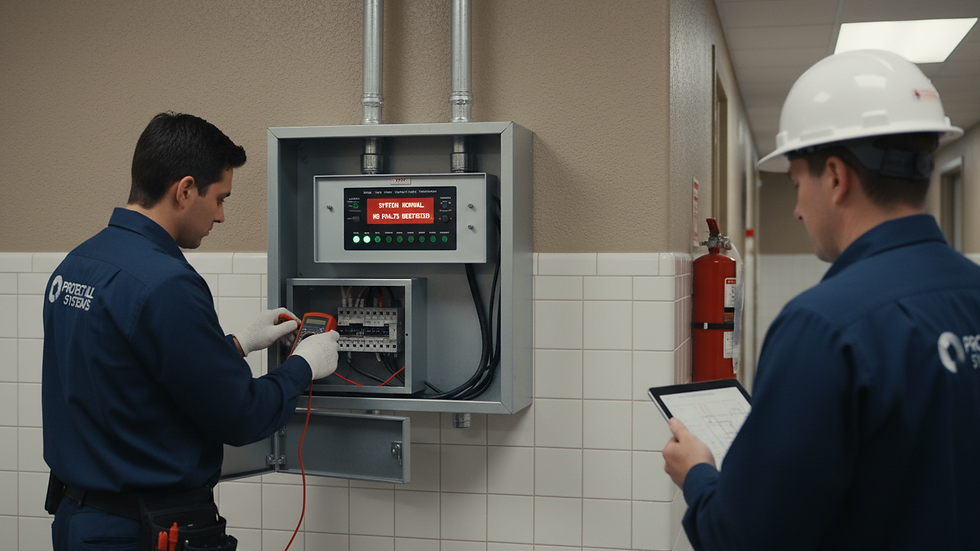
Fire Alarm Setup Guide: Step-by-Step Installation Process
Installing a fire alarm system involves several steps. Follow this guide to ensure your system is reliable and code-compliant.
1. Assess Your Property’s Needs
Start by evaluating the size, layout, and occupancy of your property. Commercial buildings often require more complex systems than homes. Consider:
Number of floors and rooms
High-risk areas like kitchens or mechanical rooms
Occupant load and evacuation routes
Local fire safety codes and regulations
This assessment will guide your choice of devices and system design.
2. Design the System Layout
Create a detailed plan showing where each device will be installed. Key points include:
Smoke detectors in hallways, bedrooms, and common areas
Heat detectors in kitchens and garages
Manual pull stations near exits
Notification devices placed for maximum coverage
Make sure the layout complies with local fire codes and standards such as NFPA 72.
3. Install the Control Panel and Wiring
Mount the control panel in a secure, accessible location. Run wiring from the panel to each device location. Use fire-resistant cables where required. Keep wiring neat and organized to simplify future maintenance.
4. Mount Detectors and Notification Devices
Install smoke and heat detectors on ceilings or high on walls, avoiding corners or areas with poor airflow. Place notification devices where they can be easily heard and seen throughout the building.
5. Connect and Test the System
Once all devices are installed, connect them to the control panel. Test each device individually and then test the entire system to ensure proper operation. Check for false alarms and adjust sensitivity if needed.
6. Final Inspection and Certification
Have your system inspected by a certified fire safety professional. They will verify compliance with codes and issue necessary certifications.
Choosing the Right Fire Alarm System for Your Property
Selecting the right fire alarm system depends on your specific needs. Here are some tips to help you decide:
For commercial properties: Opt for addressable systems that pinpoint the exact location of a fire. These systems are scalable and integrate well with building management.
For small businesses and homes: Conventional systems or wireless alarms may be sufficient and easier to install.
Consider integration: Modern systems can integrate with security and access control for comprehensive safety.
Prioritize reliability: Choose systems with good reviews and local support.
If you’re in the Myrtle Beach area, working with a local expert like coastal fire alarm north myrtle beach ensures you get a system tailored to local codes and conditions.
Maintaining Your Fire Alarm System for Long-Term Safety
Installation is just the beginning. Regular maintenance is essential to keep your fire alarm system functioning properly.
Routine Checks You Should Perform
Test alarms monthly by pressing the test button.
Replace batteries at least once a year or when low battery alerts sound.
Clean detectors regularly to remove dust and debris.
Schedule professional inspections annually.
What to Do If Your Alarm Malfunctions
If you notice frequent false alarms or no alarms during tests, troubleshoot immediately. Common issues include:
Dirty or obstructed detectors
Wiring problems
Dead batteries
Faulty control panel
Address these issues promptly to avoid compromising safety.
Enhancing Fire Safety Beyond Alarms
While fire alarms are critical, consider additional safety measures:
Install fire extinguishers and train occupants on their use.
Develop and practice an evacuation plan.
Use fire-resistant building materials where possible.
Ensure clear and accessible exit routes.
Combining these steps with a reliable fire alarm system creates a safer environment for everyone.
Taking the Next Step in Fire Protection
Installing a fire alarm system is a smart investment in safety. By following this fire alarm setup guide, you can ensure your property is protected and compliant with regulations. Remember, working with experienced local professionals can simplify the process and provide peace of mind.
For expert assistance and reliable service in the Myrtle Beach area, consider reaching out to coastal fire alarm north myrtle beach. Their local knowledge and responsive service make them a trusted partner in fire safety.
Stay safe and proactive - your fire alarm system is your first line of defense.
Comments