

Essential Fire Alarm System Regulations Explained

When it comes to protecting your property, understanding fire alarm system regulations is crucial. These rules ensure that fire alarms are installed, maintained, and operated correctly to keep occupants safe and minimize damage. Whether you manage a commercial building, an industrial facility, an educational institution, a healthcare center, or a government property, knowing these regulations helps you stay compliant and prepared.
Fire alarm regulations are designed to provide clear guidelines on system design, installation, testing, and maintenance. This post will walk you through the essential aspects of these regulations, helping you make informed decisions about your fire safety measures.
Understanding Fire Alarm System Regulations
Fire alarm system regulations are established by national and local authorities to ensure safety standards are met. In the United States, the National Fire Protection Association (NFPA) sets many of these standards, particularly through NFPA 72, the National Fire Alarm and Signaling Code. Local jurisdictions may also have additional requirements.
These regulations cover several key areas:
System design and installation: Ensuring alarms are placed where they can detect fires quickly and alert occupants effectively.
Equipment standards: Using approved devices that meet safety and performance criteria.
Testing and maintenance: Regular inspections and upkeep to keep systems operational.
Documentation and record-keeping: Maintaining logs of inspections, tests, and repairs.
By following these rules, you reduce the risk of fire-related injuries and property loss. You also ensure your property meets legal requirements, avoiding fines or shutdowns.
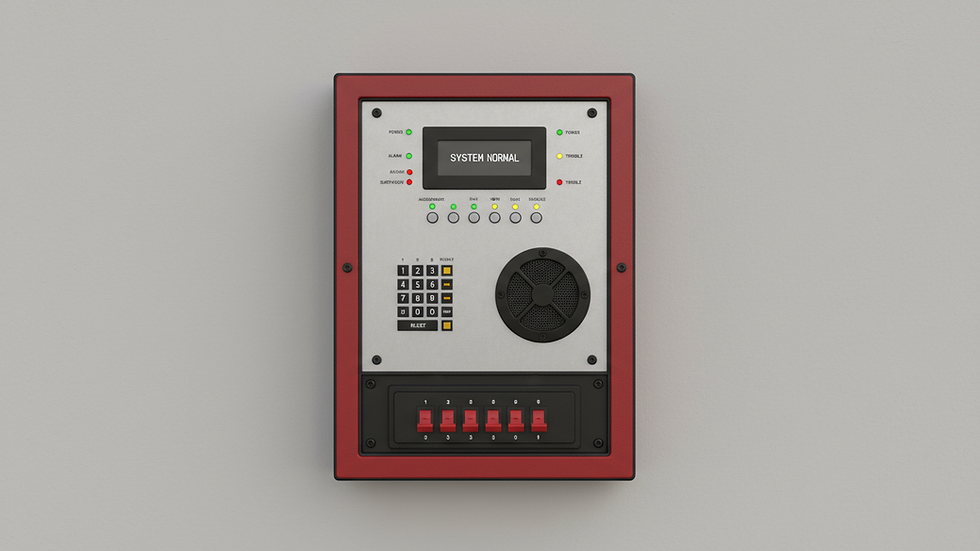
Key Requirements for Fire Alarm System Regulations
To comply with fire alarm system regulations, you need to focus on several important requirements:
1. Proper System Design
Your fire alarm system must be designed to cover all areas of the building effectively. This includes:
Installing smoke detectors in hallways, rooms, and near potential fire sources.
Placing manual pull stations near exits.
Ensuring audible and visual alarms reach all occupants, including those with disabilities.
Designs should be based on the building’s size, layout, and occupancy type. For example, a healthcare facility will have different needs than a warehouse.
2. Approved Equipment
Only use fire alarm devices that meet recognized safety standards. These devices should be listed by a testing laboratory such as UL (Underwriters Laboratories). Using approved equipment ensures reliability and compatibility with other system components.
3. Installation by Qualified Professionals
Fire alarm systems must be installed by trained and certified technicians. Proper installation prevents false alarms and ensures the system functions correctly during an emergency.
4. Regular Testing and Maintenance
Regulations require periodic testing of fire alarm systems. This includes:
Weekly or monthly tests of alarm signals.
Annual inspections of all system components.
Prompt repairs of any faults or damaged parts.
Keeping detailed records of these activities is essential for compliance and future reference.
5. Documentation and Reporting
Maintain thorough documentation of your fire alarm system, including:
System design plans.
Installation certificates.
Test and maintenance logs.
Incident reports.
This documentation helps demonstrate compliance during inspections and audits.
How Fire Alarm Regulations Impact Different Property Types
Different types of properties have specific fire alarm requirements based on their use and occupancy. Here’s how regulations typically apply:
Commercial Properties
In commercial buildings, fire alarm systems must cover all public and employee areas. Regulations often require integration with sprinkler systems and emergency lighting. Regular drills and staff training are also recommended.
Industrial Facilities
Industrial sites may have unique hazards such as flammable materials or heavy machinery. Fire alarm systems here must be robust and capable of alerting workers quickly. Specialized detectors, like heat or gas sensors, might be necessary.
Educational Institutions
Schools and universities require fire alarms that can alert large groups of people efficiently. Visual alarms are important for classrooms, and systems should allow for controlled evacuation procedures.
Healthcare Facilities
Hospitals and clinics have strict fire alarm regulations to protect vulnerable patients. Systems must include features like voice evacuation messages and integration with nurse call systems.
Government Buildings
Government properties often follow stringent fire safety codes. Fire alarm systems must be reliable and regularly tested to ensure public safety.
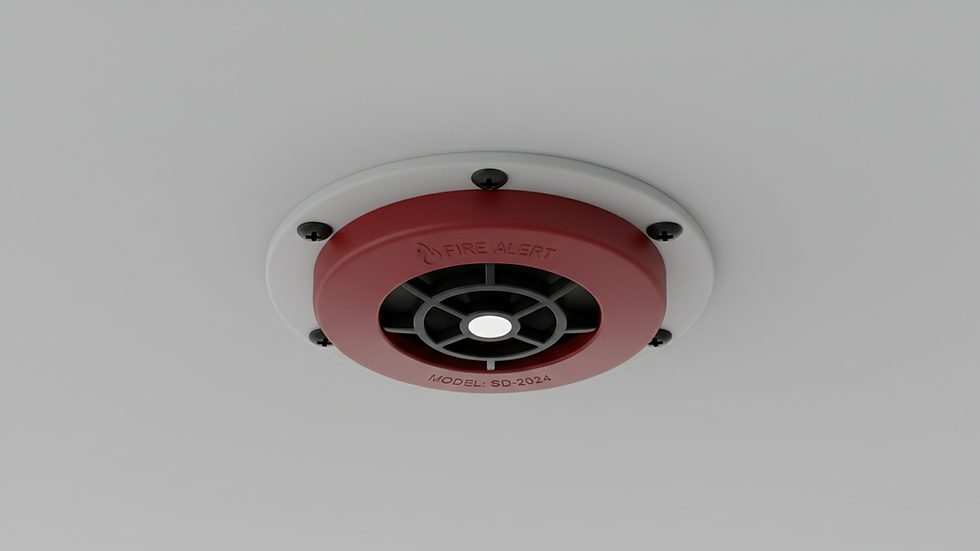
Practical Steps to Ensure Compliance with Fire Alarm Regulations
Meeting fire alarm regulations may seem complex, but you can take clear steps to stay on track:
Consult with Experts
Work with fire safety professionals who understand local codes and standards. They can help design and install compliant systems.
Schedule Regular Inspections
Set up a maintenance plan that includes frequent testing and inspections. This prevents system failures and keeps records up to date.
Train Your Staff
Educate employees or occupants on fire alarm operation and evacuation procedures. Knowing how to respond reduces panic and injury.
Update Systems as Needed
Technology and regulations evolve. Upgrade your fire alarm system to meet the latest standards and improve safety.
Keep Detailed Records
Document every inspection, test, and repair. This helps during official inspections and shows your commitment to safety.
By following these steps, you create a safer environment and avoid costly penalties.
Staying Safe and Compliant with Local Fire Alarm Services
If you are located in the Myrtle Beach area, partnering with a trusted local provider can simplify compliance. For example, coastal fire alarm north myrtle beach offers expert fire alarm solutions tailored to your property’s needs. They provide professional installation, maintenance, and support to keep your system up to code.
Choosing a local company means faster response times and personalized service. This ensures your fire alarm system is always ready to protect your property and its occupants.
Moving Forward with Confidence in Fire Safety
Understanding and following fire alarm system regulations is essential for protecting your property and the people inside. By focusing on proper design, approved equipment, professional installation, and regular maintenance, you meet legal requirements and enhance safety.
Remember, fire safety is an ongoing process. Stay informed about changes in regulations and technology. Work with qualified professionals to keep your fire alarm system effective and reliable.
Taking these steps will give you peace of mind, knowing your property is well-protected against fire risks. Safety is not just a requirement - it is a responsibility you can confidently manage.
Comments