

Key Fire Safety Components for Comprehensive Protection
- Coastal Fire and Security LLC
- Sep 30, 2025
- 4 min read

Fire safety is a critical aspect of protecting lives and property. Understanding the essential fire safety equipment and how to use it effectively can make a significant difference in preventing fire-related disasters. This article explores the key components that form a robust fire safety system, practical tips for implementation, and the layered approach to fire safety.
Essential Fire Safety Equipment You Should Know
Fire safety equipment is designed to detect, control, and extinguish fires quickly. Having the right tools in place can save lives and minimize damage. Here are some of the most important types of fire safety equipment:
Smoke Detectors and Fire Alarms: These devices provide early warning of a fire, allowing occupants to evacuate safely. Smoke detectors sense smoke particles, while fire alarms alert everyone with loud sounds.
Fire Extinguishers: Portable and easy to use, fire extinguishers come in different types depending on the fire class (A, B, C, D, or K). Knowing which extinguisher to use for specific fires is crucial.
Fire Sprinkler Systems: These automatic systems activate when heat is detected, releasing water to suppress the fire before it spreads.
Fire Blankets: Useful for smothering small fires or wrapping around a person whose clothes have caught fire.
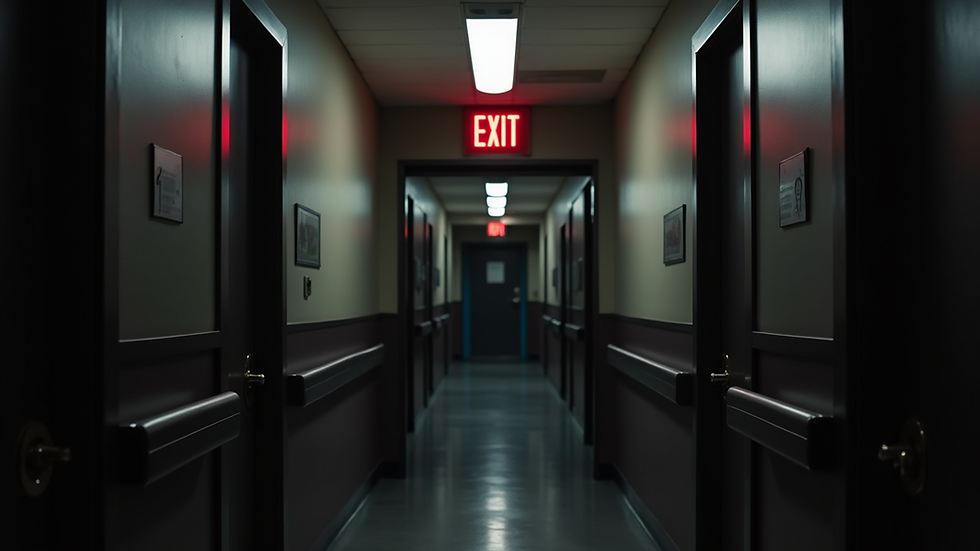
Emergency Exit Signs and Lighting: Clearly marked exits and emergency lighting help guide people safely out of a building during a fire.
Regular maintenance and testing of this equipment ensure they function correctly when needed. Training occupants on how to use fire extinguishers and understanding alarm signals is equally important.

How to Choose the Right Fire Safety Equipment for Your Space
Selecting the appropriate fire safety equipment depends on the environment and potential fire risks. Here are some factors to consider:
Type of Building: Residential, commercial, industrial, or public spaces have different fire hazards and require tailored solutions.
Fire Risk Assessment: Identify potential sources of fire such as electrical equipment, flammable materials, or cooking areas.
Local Fire Codes and Regulations: Compliance with legal requirements ensures safety standards are met.
Size and Layout: Larger or multi-story buildings may need more extensive systems like sprinkler networks and multiple alarm points.
Accessibility and Visibility: Equipment should be easily accessible and clearly visible to all occupants.
For example, a commercial kitchen requires Class K fire extinguishers designed for grease fires, while an office might prioritize smoke detectors and fire alarms. Consulting with fire safety professionals can help create a customized plan that fits your needs.

What are the 7 Layers of Fire Safety?
A comprehensive fire safety strategy involves multiple layers of protection. These layers work together to prevent fires, detect them early, and control their spread. The seven layers of fire safety include:
Prevention: Measures to reduce the risk of fire starting, such as safe storage of flammable materials and electrical safety.
Detection: Early identification of fire through smoke detectors and heat sensors.
Notification: Alerting occupants and emergency services via alarms and communication systems.
Suppression: Using fire extinguishers, sprinklers, and fire blankets to control or extinguish the fire.
Containment: Fire-resistant walls, doors, and barriers that prevent fire and smoke from spreading.
Evacuation: Safe and efficient exit routes, emergency lighting, and signage to guide people out.
Recovery: Post-fire actions including damage assessment, cleanup, and restoring safety systems.
Each layer plays a vital role in minimizing fire damage and protecting lives. Implementing all seven layers creates a resilient fire safety environment.
Practical Tips for Maintaining Fire Safety Equipment
Maintaining fire safety equipment is as important as installing it. Here are some actionable recommendations:
Regular Inspections: Check smoke detectors, alarms, and extinguishers monthly for proper function.
Professional Servicing: Have certified technicians inspect and service sprinkler systems and fire alarms annually.
Replace Batteries: Change batteries in smoke detectors at least once a year or when low battery warnings sound.
Clear Access: Ensure fire extinguishers and exits are not blocked or obstructed.
Training and Drills: Conduct fire drills regularly and train occupants on how to use fire safety equipment.
Record Keeping: Maintain logs of inspections, maintenance, and training activities.
By following these steps, you can ensure your fire safety equipment is always ready to perform when needed.
Integrating fire safety components for Maximum Protection
A well-rounded fire safety plan integrates various fire safety components to cover all aspects of fire risk. Combining detection, suppression, containment, and evacuation systems creates a comprehensive defense against fire emergencies.
For example, installing interconnected smoke detectors linked to a central alarm system ensures everyone is alerted simultaneously. Pairing this with automatic sprinkler systems and strategically placed fire extinguishers enhances fire suppression capabilities. Fire-resistant construction materials and compartmentalization help contain fires, while clear exit routes and emergency lighting facilitate safe evacuation.
Investing in quality fire safety components and maintaining them properly is essential for effective fire protection. Partnering with experienced fire safety providers can help design, install, and service these systems tailored to your specific needs.
Fire safety is a continuous commitment that requires the right equipment, knowledge, and preparedness. By understanding and implementing key fire safety equipment and strategies, you can create a safer environment for everyone. Stay proactive, stay safe.
Comments